

When you use a microcentrifuge, safety and efficiency go hand in hand. You’ll want to start by checking the rotor and tubes for any damage and make certain the lid locks securely Lab centrifuge. Proper loading and balancing are vital to avoid accidents and ensure smooth operation. But that’s just the beginning—knowing how to choose the right settings and maintain your equipment can make all the difference in your results and safety.

Essential Safety Checks Before Every Spin
Before you start the micro centrifuge, always perform essential safety checks to prevent accidents and guarantee efficient operation.
First, inspect the rotor and tubes for any cracks or damage—you don’t want a failure mid-spin.
Confirm the lid locks securely; a loose lid can ruin your sample and pose a hazard.
Check that the centrifuge is on a stable, level surface to avoid unnecessary vibrations.
Make sure the power cord and plug are intact and properly connected.
Verify that the speed and timer settings match your protocol to avoid over-spinning.
Taking these quick steps gives you control Lab Alliance, keeps your workspace safe, and ensures your equipment runs smoothly—letting you focus on your work without restrictions or worries.
How to Load and Balance Your Micro Centrifuge
How exactly do you guarantee your micro centrifuge runs smoothly without causing damage or sample loss? The key lies in proper loading and balancing.
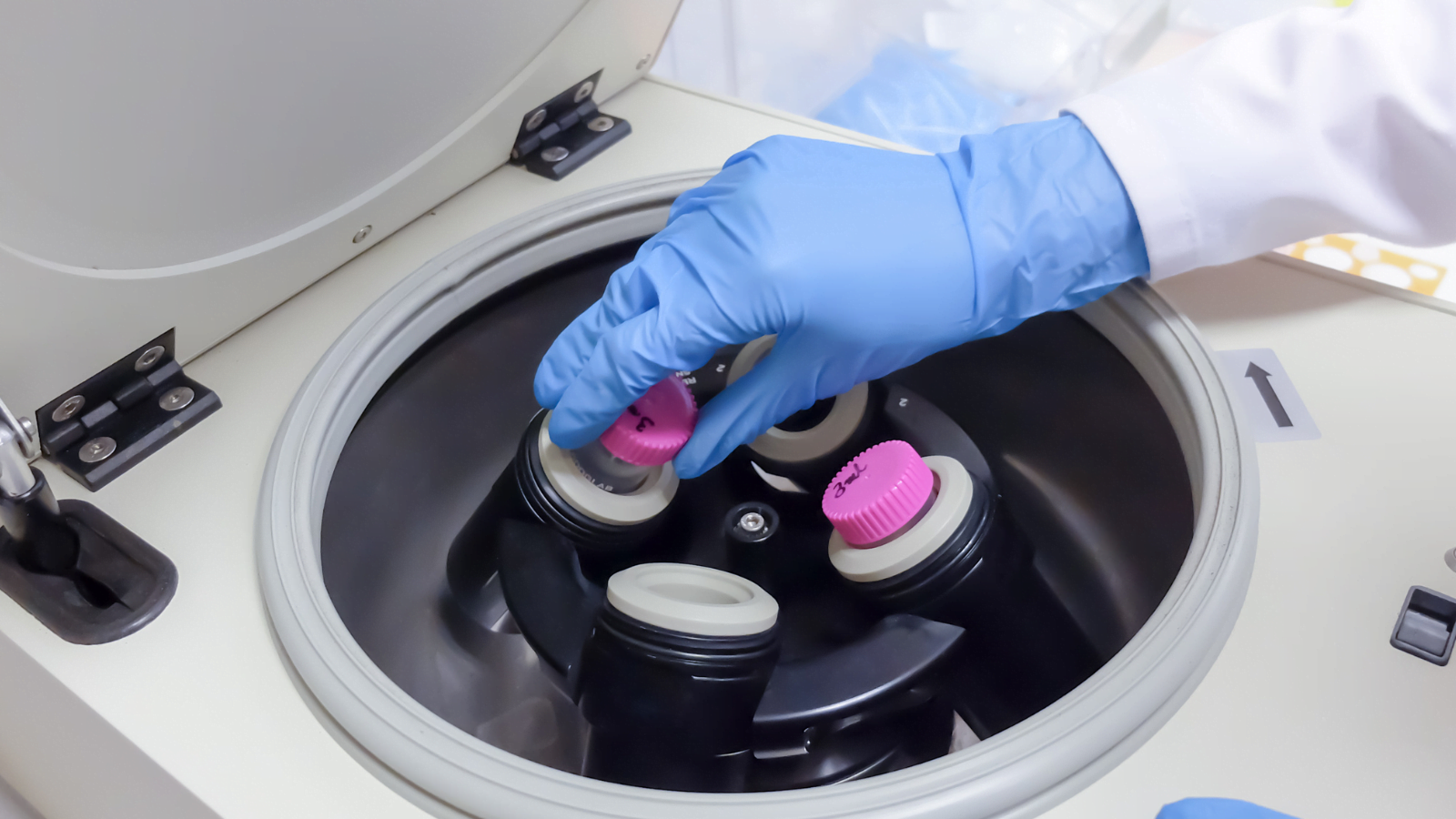
Always pair tubes with equal volumes directly opposite each other in the rotor. Uneven weight creates imbalance, leading to vibrations that can harm your samples and the machine.
If you have an odd number of tubes, fill a spare tube with water or buffer to match the weight of your sample and place it opposite the unpaired tube.
Make sure tubes are securely capped and seated firmly in the rotor slots.
Taking these steps gives you freedom from worry about equipment failure, letting you focus on your work confidently and efficiently.
How to Operate Your Micro Centrifuge Efficiently
Although setting up your micro centrifuge correctly is essential, operating it efficiently guarantees you get dependable results every time. First, choose the right speed and duration for your specific samples; don’t just rely on defaults. Use the timer function to avoid over- or under-spinning.
Keep your workflow smooth by preparing all tubes before starting the run, minimizing downtime. Don’t open the lid until the rotor fully stops—this saves time and protects you.
If you frequently use similar settings, program them for quick access. Finally, always double-check that tubes are balanced and secured before starting; this prevents damage and keeps operation smooth.
Routine Maintenance for Your Micro Centrifuge
To keep your micro centrifuge running smoothly and extend its lifespan, you need to perform routine maintenance regularly. This helps you avoid unexpected breakdowns and keeps your workflow free and flexible. Here’s what you should focus on:
- Clean the rotor and chamber after each use to prevent sample buildup and corrosion.
- Check the rotor for cracks or damage regularly; replace it if you spot any issues.
- Lubricate moving parts according to the manufacturer’s instructions to maintain smooth operation.
- Verify the balance and alignment before each run to minimize wear and tear on the motor.
Troubleshooting Common Micro Centrifuge Problems
When your micro centrifuge acts up, it can disrupt your entire workflow and cause frustration. Start by checking if the rotor is properly seated and balanced—imbalanced tubes often cause vibration or failure to spin.
If the centrifuge won’t start, make certain the lid is securely closed; safety interlocks prevent operation otherwise. Listen for unusual noises, which might signal worn bearings or debris inside.
If the display malfunctions, reset the device by unplugging it briefly. Don’t ignore error codes; consult the manual to quickly identify issues.
Conclusion
By following these best practices, you’ll keep your microcentrifuge running safely and smoothly. Always check for damage and balance your tubes properly before spinning. Choose the right speed and timing, and never open the lid mid-run. Regular maintenance and prompt troubleshooting will help you avoid issues and extend your equipment’s life. Stay attentive and consistent, and your microcentrifuge will deliver reliable, efficient results every time you use it.


