Category: Emotional Ties

Best Practices for Operating a Micro Centrifuge Safely and Efficiently

When you use a microcentrifuge, safety and efficiency go hand in hand. You’ll want to start by checking the rotor and tubes for any damage and make certain the lid locks securely Lab centrifuge. Proper loading and balancing are vital to avoid accidents and ensure smooth operation. But that’s just the beginning—knowing how to choose the right settings and maintain your equipment can make all the difference in your results and safety.

Centrifuge Safety: Key Practices for Risk Prevention - AELAB | Laboratory  Equipment and Scientific Instrument Supplier

Essential Safety Checks Before Every Spin

Before you start the micro centrifuge, always perform essential safety checks to prevent accidents and guarantee efficient operation.

First, inspect the rotor and tubes for any cracks or damage—you don’t want a failure mid-spin.

Confirm the lid locks securely; a loose lid can ruin your sample and pose a hazard.

Check that the centrifuge is on a stable, level surface to avoid unnecessary vibrations.

Make sure the power cord and plug are intact and properly connected.

Verify that the speed and timer settings match your protocol to avoid over-spinning.

Taking these quick steps gives you control Lab Alliance, keeps your workspace safe, and ensures your equipment runs smoothly—letting you focus on your work without restrictions or worries.

How to Load and Balance Your Micro Centrifuge

How exactly do you guarantee your micro centrifuge runs smoothly without causing damage or sample loss? The key lies in proper loading and balancing.

Always pair tubes with equal volumes directly opposite each other in the rotor. Uneven weight creates imbalance, leading to vibrations that can harm your samples and the machine.

If you have an odd number of tubes, fill a spare tube with water or buffer to match the weight of your sample and place it opposite the unpaired tube.

Make sure tubes are securely capped and seated firmly in the rotor slots.

Taking these steps gives you freedom from worry about equipment failure, letting you focus on your work confidently and efficiently.

How to Operate Your Micro Centrifuge Efficiently

Although setting up your micro centrifuge correctly is essential, operating it efficiently guarantees you get dependable results every time. First, choose the right speed and duration for your specific samples; don’t just rely on defaults. Use the timer function to avoid over- or under-spinning.

Keep your workflow smooth by preparing all tubes before starting the run, minimizing downtime. Don’t open the lid until the rotor fully stops—this saves time and protects you.

If you frequently use similar settings, program them for quick access. Finally, always double-check that tubes are balanced and secured before starting; this prevents damage and keeps operation smooth.

Centrifuge Top Tips Part 2 - Correct Use and Safety - Richmond Scientific

Routine Maintenance for Your Micro Centrifuge

To keep your micro centrifuge running smoothly and extend its lifespan, you need to perform routine maintenance regularly. This helps you avoid unexpected breakdowns and keeps your workflow free and flexible. Here’s what you should focus on:

  1. Clean the rotor and chamber after each use to prevent sample buildup and corrosion.
  2. Check the rotor for cracks or damage regularly; replace it if you spot any issues.
  3. Lubricate moving parts according to the manufacturer’s instructions to maintain smooth operation.
  4. Verify the balance and alignment before each run to minimize wear and tear on the motor.

Troubleshooting Common Micro Centrifuge Problems

When your micro centrifuge acts up, it can disrupt your entire workflow and cause frustration. Start by checking if the rotor is properly seated and balanced—imbalanced tubes often cause vibration or failure to spin.

If the centrifuge won’t start, make certain the lid is securely closed; safety interlocks prevent operation otherwise. Listen for unusual noises, which might signal worn bearings or debris inside.

If the display malfunctions, reset the device by unplugging it briefly. Don’t ignore error codes; consult the manual to quickly identify issues.

Conclusion

By following these best practices, you’ll keep your microcentrifuge running safely and smoothly. Always check for damage and balance your tubes properly before spinning. Choose the right speed and timing, and never open the lid mid-run. Regular maintenance and prompt troubleshooting will help you avoid issues and extend your equipment’s life. Stay attentive and consistent, and your microcentrifuge will deliver reliable, efficient results every time you use it.

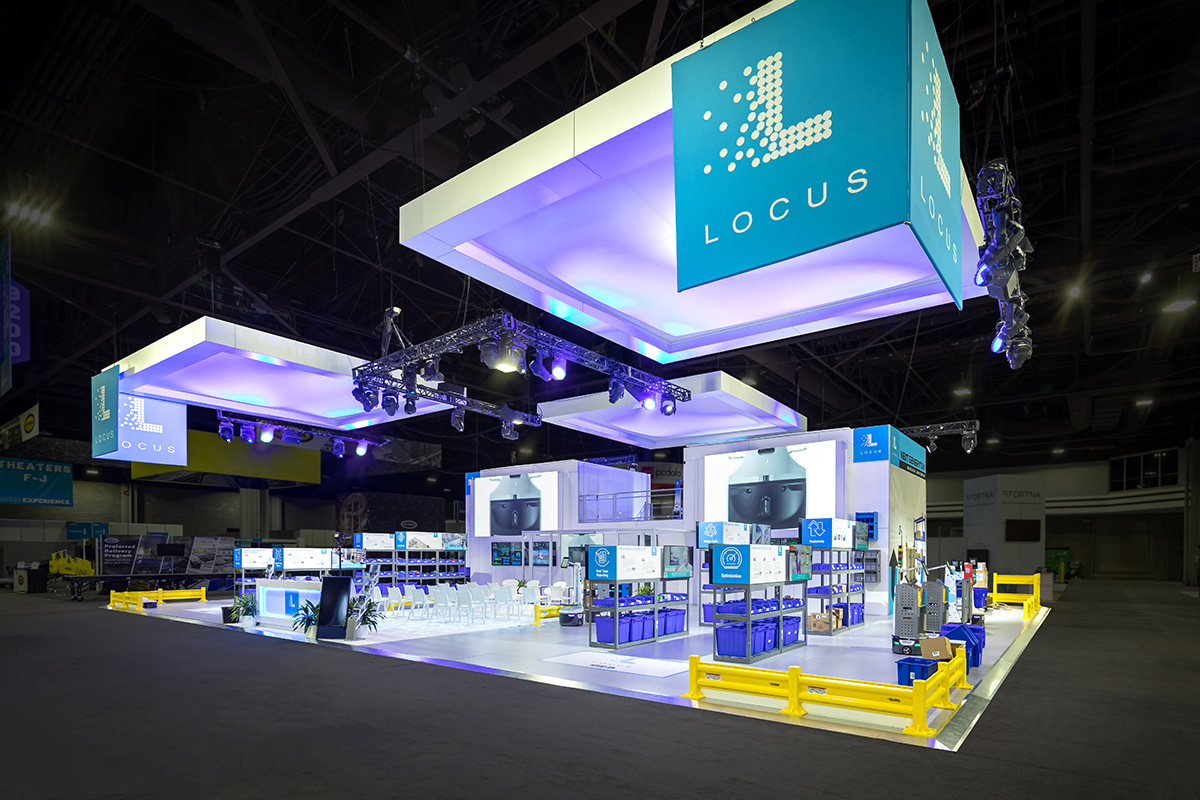
Travel Exhibition Design Concepts for Tourism Campaigns

Travel exhibition design plays a vital role in tourism campaigns by creating immersive, visually engaging environments that capture visitor attention and convey authentic cultural narratives. Effective designs use high-quality imagery tourism exhibition design, interactive features like tactile maps and participatory games, and advanced technologies such as VR and AR to enhance exploration. Incorporating local art and storytelling deepens emotional connections and appreciation for diverse cultures. Exploring these elements reveals how exhibitions can transform static displays into dynamic, memorable travel experiences.

11 Fantastic Travel-Related Exhibition Stands - Quadrant2Design

Why Travel Exhibition Design Matters for Tourism Campaigns

Effective travel exhibition design plays an essential role in the success of tourism campaigns by capturing attention and conveying key messages quickly. It creates an immersive environment that invites visitors to explore destinations beyond conventional boundaries, fostering a sense of adventure and possibility.

Thoughtful design facilitates effortless navigation https://www.touchconcept.com.my/, allowing individuals to absorb information at their own pace without feeling confined. By integrating elements that evoke open spaces and cultural richness, exhibitions inspire a desire for exploration and self-directed journeys.

This approach respects the audience’s craving for autonomy, encouraging spontaneous engagement rather than scripted interaction. Ultimately, well-executed design transforms static displays into dynamic experiences that ignite curiosity and empower travelers to envision their own paths, reinforcing the campaign’s impact and appeal.

How to Use Visual Storytelling in Travel Exhibition Design

Three core elements define the use of visual storytelling in travel exhibition design: imagery, layout, and thematic coherence. These elements work together to evoke a sense of adventure and freedom, inviting visitors to explore new destinations.

  1. Imagery: High-quality, engaging images capture the essence of a location, sparking curiosity and emotional connection.
  2. Layout: A well-organized spatial arrangement guides visitors smoothly through the narrative, creating an immersive journey.
  3. Thematic Coherence: Consistent themes unify visuals and messages, reinforcing the story’s authenticity and appeal.

Interactive Elements That Boost Travel Exhibition Engagement

While visual storytelling lays the foundation for engaging travel exhibitions, incorporating interactive elements enhances visitor participation and deepens their connection to the experience. Interactive features invite attendees to explore destinations actively rather than passively observing, fostering a sense of freedom and personal discovery.

Elements such as tactile maps, hands-on cultural artifacts, and participatory games encourage curiosity and engagement. These features empower visitors to control their journey, tailoring exploration to their interests and pace.

Interactive displays also promote social interaction among attendees, enriching the experience through shared discovery. By transforming visitors into active participants, travel exhibitions can inspire a more memorable and meaningful connection to the showcased destinations.

Ultimately, this approach supports the campaign’s goal of igniting wanderlust and a desire to explore.

11 Fantastic Travel-Related Exhibition Stands - Quadrant2Design

Using Technology to Create Immersive Travel Exhibitions

How can technology transform a travel exhibition into a fully immersive experience? By integrating cutting-edge tools, exhibitions can transport visitors beyond physical boundaries, fostering a sense of freedom through exploration.

Key technological applications include:

  1. Virtual Reality (VR) – Enables attendees to virtually visit remote destinations, experiencing landscapes and cultures firsthand without leaving the space.
  2. Augmented Reality (AR) – Overlays digital content onto physical exhibits, enriching storytelling and inviting personalized discovery.
  3. 360-Degree Projections – Surround viewers with panoramic visuals and sounds, creating an enveloping environment that stimulates all senses.

These technologies break traditional exhibition limits, inviting travelers to engage actively rather than passively observe.

The resulting immersive environments encourage spontaneity and inspire genuine wanderlust, aligning perfectly with the desire for freedom in travel experiences.

Designing Culturally Rich Travel Exhibitions That Connect

When travel exhibitions incorporate authentic cultural elements, they foster meaningful connections between visitors and the destinations showcased. By integrating local art, traditional crafts, music, and storytelling, these exhibitions invite attendees to experience a place beyond surface-level tourism.

Thoughtful design respects cultural nuances and highlights unique heritage, encouraging exploration and empathy. Spatial arrangements that mimic real environments offer a sense of freedom and discovery, allowing visitors to engage at their own pace.

This approach transcends passive observation, transforming exhibitions into active cultural exchanges. Ultimately, designing culturally rich travel exhibitions strengthens emotional bonds, inspires wanderlust, and cultivates a deeper appreciation for diversity—empowering travelers to connect authentically with the world’s vibrant cultures.

Conclusion

Effective travel exhibition design plays a vital role in enhancing tourism campaigns by creating memorable, engaging experiences. Through visual storytelling, interactive features, and innovative technology, exhibitions can captivate and inform diverse audiences. Additionally, culturally rich designs foster authentic connections, encouraging deeper interest in travel destinations. By integrating these elements thoughtfully, tourism campaigns can achieve greater impact, driving visitor engagement and ultimately contributing to the growth and success of the travel industry.

How BET Surface Area Analysis Works: Step-by-Step Breakdown

When you want to understand the surface characteristics of a material, BET surface area analysis offers a reliable method. You’ll start by properly preparing your sample and then move through precise steps involving gas adsorption at low temperatures. Each phase impacts your results, and knowing how to navigate them ensures accuracy. But before you get to interpreting numbers gas adsorption analyzer, it’s important to grasp what happens behind the scenes during the measurement process.

How to draw BET surface area data and interpret its plot

What BET Surface Area Analysis Is and How It Works

Understanding what BET surface area analysis is and how it works is essential if you want to accurately measure the surface area of porous materials. BET stands for Brunauer-Emmett-Teller, the scientists who developed this technique.

It measures the amount of gas, usually nitrogen Lab Alliance, that adsorbs onto a material’s surface at low temperatures. By analyzing how much gas sticks to the surface, you can calculate the total surface area, including pores and crevices.

This method relies on physical adsorption, where gas molecules form a thin layer on the material. The more surface available, the more gas is adsorbed.

Knowing this helps you understand material properties like reactivity or strength. You get precise insight without altering the material, giving you freedom to explore its true characteristics.

Preparing Samples for BET Surface Area Testing

Start by carefully preparing your samples to ensure accurate BET surface area measurements. You’ll want to remove any contaminants or moisture that might skew your results.

Here’s how you can get your samples ready:

  • Dry your samples thoroughly, often using a vacuum or gentle heating.
  • Grind bulky materials into a fine, uniform powder for consistent surface exposure.
  • Avoid contamination by handling samples with clean tools and gloves.
  • Store prepared samples in airtight containers to preserve their state before testing.

How to Perform BET Surface Area Measurements

Begin by placing your prepared sample into the BET analyzer’s sample holder, ensuring it’s secure and properly positioned.

Next, evacuate the system to remove any adsorbed gases or moisture that could skew your results.

Then, introduce an inert gas—usually nitrogen—at liquid nitrogen temperature to allow it to adsorb onto your sample’s surface.

The analyzer measures the amount of gas adsorbed at different relative pressures, so you’ll monitor the pressure changes carefully during this step.

Once the adsorption data is collected, the instrument calculates the monolayer capacity, which directly relates to your sample’s surface area.

Throughout the process, keep an eye on system stability and calibration to guarantee reliable measurements.

You’re now ready to capture precise BET surface area data with confidence.

Unlocking Surface Secrets: The Working Principle And Applications Of The BET  Adsorption Analyzer | BSD Instrument

Interpreting BET Surface Area Results

Once you’ve collected your BET surface area data, interpreting the results accurately becomes essential to draw meaningful conclusions about your sample’s properties. You’ll analyze key values like surface area, pore volume, and adsorption characteristics to understand how your material behaves.

Keep these points in mind as you interpret:

  • A high surface area often means greater reactivity or adsorption capacity.
  • Unexpected low values might hint at sample contamination or structural collapse.
  • Comparing results against known standards helps validate your measurements.
  • Surface area trends reveal how treatments or changes impact your sample.

Troubleshooting Common BET Surface Area Issues

Understanding how to interpret your BET surface area results is just one part of the process; you’ll also need to identify and resolve common issues that can affect the accuracy of your measurements.

Start by checking for sample contamination or moisture, which can skew adsorption data. Ensure your degassing step is thorough—any residual gases can throw off results. Watch out for improper pressure range selection during analysis; using the wrong range can lead to incorrect surface area calculations.

If your BET plot isn’t linear, revisit your assumptions or sample prep. Calibration errors with your instrument also cause inconsistencies, so regularly verify its performance.

Conclusion

Now that you know how BET surface area analysis works, you’re ready to get accurate measurements by properly preparing your samples and following the testing steps carefully. Paying attention to details like cleaning, drying, and controlling the pressure will help you get reliable data. When interpreting results, remember the BET equation’s role in calculating surface area and pore characteristics. If issues arise, troubleshooting common problems will keep your analysis on track and efficient.

How to Choose the Best Exhibition Booth Design Malaysia Provider

Selecting the best exhibition booth design provider in Malaysia involves evaluating proven project delivery, deep local knowledge, and all-encompassing service offerings. Prioritizing providers who tailor designs to brand identity, use premium materials, and guarantee transparent pricing enhances value and ROI. Communication and market insight are essential for creating authentic brand experiences. Choosing a partner aligned with these criteria ensures impactful, durable booths that resonate with target audiences. Further guidance reveals how these factors drive event success.

Exhibition Booth Design Kuala Lumpur | Custom Booth Contractor Malaysia |  Shockwave Sdn Bhd

Key Criteria for Malaysia Exhibition Booth Providers

What distinguishes a top-tier exhibition booth provider in Malaysia? It is the ability to blend reliability, expertise, and seamless execution. Leading providers demonstrate a proven track record of delivering projects on time and within budget, ensuring clients’ freedom from logistical stress.

They possess deep knowledge of local regulations and venue requirements, enabling smooth approvals and setup. Additionally Upstage Expo, strategic providers offer all-encompassing services, including project management and technical support, minimizing client intervention.

Their commitment to quality materials and craftsmanship guarantees durability and professional presentation. Transparency in pricing and clear communication further sets them apart, fostering trust and autonomy for clients.

Ultimately, the best providers empower businesses to focus on showcasing their brand, securing a competitive edge without sacrificing control or freedom.

How Customization and Design Can Make Your Booth Stand Out

Building on the foundation of reliability and expertise, the true impact of an exhibition booth lies in its ability to attract and engage visitors through thoughtful customization and innovative design.

Tailoring the booth to reflect a brand’s unique identity enables clear differentiation in a crowded environment. Strategic layout, color schemes, and interactive elements foster visitor curiosity and facilitate meaningful connections.

Customization empowers exhibitors to align the booth with marketing goals while accommodating specific spatial requirements, enhancing operational freedom. Innovative design solutions, such as modular components and dynamic visuals, further elevate presence and adaptability.

Ultimately, providers who prioritize bespoke design unleash greater engagement potential, ensuring the booth not only draws attention but also sustains interest, maximizing return on investment through a compelling, one-of-a-kind visitor experience.

Why Material Quality Matters for Your Exhibition Booth

Selecting high-quality materials for an exhibition booth markedly influences its durability, aesthetic appeal, and overall effectiveness. The choice of materials directly impacts the booth’s ability to withstand repeated use and transport without compromising its structure or visual presence. Key considerations include:

  1. Longevity – Premium materials resist wear, ensuring the booth remains intact and attractive across multiple events.
  2. Professionalism – Quality finishes convey a strong brand image, attracting visitors and fostering trust.
  3. Flexibility – Durable components support modular designs, allowing easy updates and adaptability for future exhibitions.

Investing in superior materials empowers exhibitors to maintain freedom in design innovation while safeguarding their booth’s functional performance. This strategic decision enhances both immediate impact and long-term value, essential for sustained exhibition success.

Home - exhibitionspecialistmalaysia.com

Comparing Pricing and Value Among Malaysia Providers

How can exhibitors make certain they receive the best return on investment when choosing a booth design provider in Malaysia? The key lies in a strategic comparison of pricing against the tangible value offered.

Providers may present varied pricing models, but discerning clients prioritize transparency and inclusivity in quotes—ensuring no hidden costs.

Value extends beyond cost, encompassing design innovation, material durability, and customization flexibility that align with exhibitor goals.

Competitive pricing should never compromise quality or functionality, which directly impact engagement and brand perception.

Savvy exhibitors evaluate portfolios and client testimonials to balance affordability with effectiveness.

Ultimately, selecting a provider who delivers measurable impact within budget empowers exhibitors to maximize freedom in design choices while safeguarding their investment’s potential for success.

Choosing a Provider Who Truly Understands Your Brand

When aligning with a booth design provider in Malaysia, guaranteeing a deep understanding of the exhibitor’s brand identity is essential. A provider that truly grasps the brand’s core values and vision can translate these into a compelling and authentic booth experience.

Key considerations include:

  1. Brand Alignment: The provider should demonstrate the ability to reflect the exhibitor’s unique messaging and aesthetics consistently across all design elements.
  2. Collaborative Approach: Effective communication and openness to feedback guarantee the design evolves in harmony with the exhibitor’s expectations.
  3. Market Insight: Knowledge of the target audience and industry trends enables the creation of a booth that resonates and stands out.

Selecting a provider with these qualities empowers exhibitors to present their brand with clarity and freedom, maximizing impact at any event.

Conclusion

Selecting the right exhibition booth design provider in Malaysia requires strategic evaluation of key criteria such as customization, material quality, pricing, and brand alignment. A provider who offers innovative, tailored designs using premium materials guarantees maximum impact and durability. Comparing value beyond cost fosters smarter investment decisions. Ultimately, choosing a partner that understands and reflects the brand’s identity enhances visibility and engagement, driving success at any exhibition.

Touch Concept Review for Booth Design for Exhibition and Expo Events

A touch concept review in booth design evaluates tactile and interactive elements to enhance visitor engagement at exhibitions. It focuses on selecting materials and textures that invite hands-on exploration while aligning with brand messaging and spatial layout. This early-stage assessment identifies usability and accessibility challenges to create a welcoming, sensory-rich environment exhibition booth design. By transforming passive observation into active participation, touch elements deepen emotional connections and improve brand recall. Further insights reveal how to optimize sensory experiences and measure their impact effectively.

Best 19 Trade Show Booth Design Companies in 2026

What Is a Touch Concept Review in Booth Design

In the early stages of booth design, a Touch Concept Review serves as a critical checkpoint to evaluate the tactile and interactive elements planned for the exhibit. This process involves a focused assessment of materials, textures, and sensory features intended to invite visitor interaction. Designers analyze how these elements align with the brand’s message and the overall spatial layout, ensuring they promote seamless engagement without overwhelming the space.

The review identifies potential challenges in usability and accessibility, refining touchpoints to enhance intuitive exploration. By scrutinizing every sensory detail—from surface finishes to interactive controls—this step empowers designers to craft a booth that feels inviting and liberating https://www.touchconcept.com.my/. The Touch Concept Review ultimately lays the foundation for an exhibit that encourages free, confident visitor interaction through thoughtfully designed tactile experiences.

How Touch Elements Boost Visitor Engagement at Exhibitions

By integrating tactile elements into booth design, exhibitions transform passive observation into active participation. Visitors engage directly with textures, shapes, and interactive surfaces, creating memorable sensory experiences that deepen connection.

Touch elements invite exploration, encouraging attendees to linger longer and absorb information more fully. This hands-on interaction breaks barriers, fostering curiosity and emotional resonance beyond visual appeal alone.

Tactile engagement also enhances accessibility, appealing to diverse visitor preferences and learning styles. The freedom to physically interact empowers attendees, making experiences feel personal and immersive.

Ultimately, touch elements elevate booth presence, converting casual browsers into engaged participants, and amplifying brand recall and message retention. This strategic sensory inclusion redefines visitor interaction, prioritizing freedom of movement and discovery within the exhibition space.

Choosing Materials for the Best Tactile Experience

Selecting materials that deliver a compelling tactile experience is essential for creating booths that captivate and engage. Textures—whether smooth metals, soft fabrics, or rugged woods—invite visitors to explore with their hands, sparking curiosity and connection.

Durable yet pleasant-to-touch surfaces withstand constant interaction, maintaining appeal throughout the event. Contrasting materials can highlight key areas, guiding the hand and eye simultaneously.

Natural elements like cork or bamboo add warmth, while innovative composites signal modernity and creativity. The choice must balance aesthetic coherence with sensory impact, ensuring every touchpoint feels intentional and memorable.

Thoughtful material selection empowers visitors to experience freedom in exploration, transforming passive observation into active discovery within the booth environment.

Exhibit Concepts Named Finalist in Portable/Modular Awards - Exhibit  Concepts Inc.

Interactive Features for Hands-On Engagement

Incorporating interactive features transforms a booth from a static display into an engaging playground that invites active participation. Touchscreens, tactile walls, and modular elements empower visitors to explore products dynamically, fostering a sense of control and discovery.

Sensory stations combining texture, motion, and sound create immersive environments where attendees freely experiment, deepening connection through multisensory feedback. Gesture-based interfaces and augmented reality layers blur boundaries between physical and digital, amplifying engagement without restrictions.

By prioritizing hands-on interaction, booths become memorable spaces that celebrate curiosity and spontaneity. This approach respects the audience’s desire for autonomy, encouraging exploration on their own terms while reinforcing brand identity through personalized, tangible experiences.

Ultimately, interactive features redefine event spaces as lively ecosystems of touch and freedom, inviting visitors to fully inhabit the moment.

Measuring Touch’s Impact on Brand Recall and Satisfaction

Engagement through touch-driven interactions offers more than momentary interest; it shapes lasting impressions that influence brand recall and satisfaction. Measuring this impact provides valuable insights for optimizing booth designs and enhancing visitor experience. Brands can quantify touch’s effectiveness by analyzing behavioral and emotional responses linked to tactile engagement.

Key measurement approaches include:

  • Tracking repeat visitor interactions with tactile elements
  • Conducting post-event surveys focused on sensory memory
  • Monitoring social media mentions tied to touch experiences
  • Using biometric feedback to gauge emotional connection

These metrics reveal how tactile engagement fosters deeper brand connections, encouraging freedom in exploration and personal discovery. By evaluating touch’s role in memory retention and satisfaction, exhibitors can refine strategies to create more immersive, memorable environments that stand out in competitive exhibition landscapes.

Conclusion

Incorporating touch concepts in booth design transforms passive displays into immersive experiences, enthralling visitors through tactile interaction. Thoughtful material selection and interactive features heighten engagement, making brands memorable beyond visuals. This multisensory approach not only elevates visitor satisfaction but also strengthens brand recall, proving indispensable in competitive exhibition environments. Ultimately, a well-executed touch concept creates meaningful connections, turning fleeting encounters into lasting impressions that drive business success.

Are Rat Repellents Worth It? iGreenAsia Explains

iGreenAsia finds that rat repellents can briefly reduce local activity but rarely solve established infestations. Controlled studies show short-term behavioral changes; field tests reveal limited durability and displacement when food and shelter remain. Ultrasonic and many sprays typically lose effect as rodents adapt. Odor and taste products may deter at treated spots but require frequent reapplication rat repellent spray. Physical exclusion and sanitation are more reliable. The article outlines when repellents are reasonable to try and how to proceed for best results.

The Dangers of Rats: Why Using Rat Repellent is Important

Do Rat Repellents Actually Work? Quick, Evidence-Based Verdict

Most rat repellents show limited, short-term effects in controlled studies: ultrasonic devices and many sprays rarely produce lasting population reductions, while scented repellents can temporarily deter activity at treated spots but do not address food, shelter, or entry points.

The evidence-based verdict is pragmatic: repellents can shift behavior locally through behavioral conditioning but do not eliminate infestations.

Performance varies with product quality https://igreenasia.com/, application consistency, and seasonal variation in rat behavior and resource availability.

For people prioritizing autonomy, repellents serve as a limited tool within a broader strategy—use them to protect specific areas, monitor results, and avoid reliance on single solutions.

Long-term control requires habitat modification, exclusion, sanitation, and targeted population reduction measures.

How Each Repellent Type Is Supposed to Work (Ultrasonic, Odor, Taste, Physical)

When grouped by mechanism, rat repellents fall into four categories—ultrasonic, odor-based, taste-based, and physical—that aim to alter behavior or create barriers rather than directly kill rodents. Each type targets different senses: ultrasonic devices broadcast high-frequency sound to induce avoidance; odor repellents use predator or chemical cues for behavioral conditioning; taste treatments make materials unpalatable to deter chewing; physical methods block access with barriers or traps. Practical choice weighs sensory adaptation, product longevity, and environmental impact. Users seeking autonomy prefer approaches that are nonlethal, low-maintenance, and reversible. The following table sketches mechanisms, targets, expected duration, and typical trade-offs.

Type Target Trade-off
Ultrasonic Hearing Sensory adaptation
Odor Smell Environmental impact
Taste Taste Product longevity
Physical Access Reliability

What Lab Studies and Real-World Tests Say About Effectiveness

How well do repellents perform under controlled conditions versus everyday use? Lab studies often show short-term effects: odor or ultrasonic devices can alter rodent behavior in standardized arenas, reducing activity or bait uptake briefly. Controlled trials follow regulatory standards for repeatability, dosing, and observation periods, producing clear but limited outcomes.

Field tests tell a different story; complex environments, alternative food sources, and learned habituation reduce efficacy over weeks. Independent real-world trials emphasize integrated approaches—sealing entry points, sanitation, and targeted traps—alongside repellents if desired.

Claims from manufacturers sometimes outpace public data. Practical readers who value autonomy should weigh controlled evidence against local field results, prioritizing measures that produce durable reduction rather than transient displacement.

67 Music - Scientists Turned Water Into Metal

Cost, Risks, and When Repellents Are Worth Trying vs. Skipping

Evidence from labs and field trials frames the cost-benefit calculation for repellents: upfront purchase and replacement costs, potential for limited effectiveness over time, and risks to non-target pets or indoor air quality must be weighed against the likelihood of durable rodent control.

A sober cost analysis compares device price, ongoing supply needs, and probable lifespan against expected reduction in damage or baiting costs. Health risks documented in trials—respiratory irritation from aerosols, ingestion hazards for curious pets—factor into decisions where occupants value autonomy and safety.

Repellents are worth trying when infestations are small, access to exclusion is limited, and users accept monitoring and replacement. They should be skipped when populations are established or when vulnerable individuals or animals share the space.

Practical Action Plan: Safe Testing, Exclusion, and When to Call Pros

In evaluating repellents and complementary controls, practitioners should start with a brief, structured test: deploy one method in a confined area for two weeks while recording activity signs, then compare against an untreated control zone to gauge effect size and non-target impacts.

The plan prioritizes safe testing and documents bait, sonic, or scent interventions with photos, drop counts, and timestamps.

Concurrently implement basic exclusion methods: seal ¼–½ inch gaps, install door sweeps, and protect vents with mesh.

Interpret results quantitatively; discontinue ineffective tactics.

Escalate to professional pest management when infestations persist, when structural entry points are extensive, or when human/animal safety is at risk.

Professionals offer diagnostics, humane trapping or exclusion, and legal-use pesticide options otherwise unavailable to the independent practitioner.

Conclusion

Rat repellents offer limited, situational benefits. Evidence shows ultrasonic and many odor/taste products give short-term or inconsistent reduction in activity, while physical barriers and traps provide reliable control. Costs, toxicity risks, and habituation reduce repellents’ value for serious infestations. For minor, temporary problems they can be trialed alongside sanitation and exclusion; for persistent or health-threatening infestations, professionals and structural exclusion are the evidence-based choices. Use repellents only as a supplemental, monitored measure.

Foot Pain After Exercise: What Your Body Is Trying to Tell You

Foot pain after exercise often reflects normal post-workout tissue stress: mild, diffuse soreness that improves with rest, elevation and icing over 48–72 hours and permits normal mobility. However, sharp focal pain, worsening symptoms, swelling that limits motion chiropodist vs podiatrist, numbness, fever, inability to bear weight or sudden pain after a twist or pop suggest injury or infection and merit assessment. Causes vary by location from metatarsalgia and stress fracture to tendinopathy and nerve entrapment, with clear steps for relief and prevention explained further.

Burning Feet After Exercise: What Your Nerves Are Trying to Tell You -  Neuropathy Relief Pain Miami

How to Tell Normal Post-Exercise Soreness From Warning Signs?

How can one distinguish routine post-exercise foot soreness from signs that warrant concern? The clinician notes that normal soreness typically presents as mild, diffuse ache that improves with rest, cooling, elevation, and diminishes within 48–72 hours. It permits normal mobility and does not progress rapidly.

Red flags include intense or worsening pain, sharp focal tenderness, swelling that limits movement, persistent numbness or tingling, inability to bear weight https://peoplepodiatry.com.au/, fever, or skin changes such as redness and warmth suggesting infection or deep venous compromise. Sudden onset after a specific twist or pop warrants urgent evaluation for rupture or fracture.

The reader who values autonomy is encouraged to monitor symptom trajectory, apply conservative self-care initially, and seek timely professional assessment when red flags appear.

Common Causes of Foot Pain After Exercise (By Location and Mechanism)

In examining post-exercise foot pain by location and mechanism, clinicians categorize etiologies according to anatomical region (forefoot, midfoot, hindfoot, heel) and underlying processes such as overuse, biomechanical overload, acute trauma, inflammatory or neuropathic change, and vascular compromise.

Forefoot complaints often reflect metatarsalgia causes: repetitive loading, Morton’s neuroma, or stress fractures.

Midfoot pain arises from ligamentous strain, tendinopathy, or subtle instability after overload.

Hindfoot presentations include Achilles tendinopathy and retrocalcaneal bursitis from eccentric loading.

Heel pain commonly denotes plantar fasciitis or calcaneal stress injury related to abrupt mileage increases or poor mechanics.

Neuropathic patterns produce burning or numbness, vascular issues provoke exertional ischemia.

Accurate localization and mechanism-based assessment enable targeted management while respecting the individual’s desire for mobility and autonomy.

Immediate Relief You Can Try at Home After a Workout

Having identified likely anatomical sites and mechanisms for post-exercise foot pain, immediate self-care measures can reduce symptoms and prevent worsening while awaiting professional evaluation.

The individual should begin with elevation rest: lie supine and raise the foot above heart level for 15–20 minutes to decrease swelling and improve comfort.

Apply ice massage over focal tender areas for 8–10 minutes, using controlled pressure to avoid skin injury; repeat every 2–3 hours as needed.

A compression wrap can be applied snugly, not occlusive, to support tissues and limit edema during ambulation.

For generalized soreness, consider contrast baths—alternating 60 seconds cold, 60 seconds warm for 6–8 cycles—to stimulate circulation.

Monitor pain and skin response; discontinue if symptoms worsen.

On Your Feet All Day? How to Prep Your Body Before and After Work |  Orthopedics and Pain Medicine Physician located in Edison, Clifton, Hazlet,  Jersey City and West Orange, NJ |

When to See a Pro: Tests, Diagnoses, and Treatment Options

For persistent, severe, or function-limiting foot pain after exercise, clinical assessment is recommended to identify underlying pathology and guide targeted treatment.

The clinician documents history, performs focused examination, and orders appropriate imaging options—plain radiographs for bony injury, ultrasound for soft-tissue evaluation, and MRI for complex or occult pathology.

Laboratory tests are reserved for suspected inflammatory or infectious processes.

Diagnosis differentiates overuse syndromes, stress fractures, tendonopathy, nerve entrapment, and systemic causes.

Initial management favors activity modification, orthotic prescription, guided injections, and structured rehabilitation.

When conservative measures fail or when structural lesions threaten function, surgical referrals are considered; discussion covers risks, expected outcomes, and recovery timelines.

Follow-up emphasizes functional goals and a shared decision-making approach respecting individual autonomy.

How to Prevent Foot Pain: Shoes, Training Tweaks, and Strengthening Routines

With attention to footwear, training variables, and targeted strengthening, many exercise-related foot injuries can be prevented or minimized. The practitioner encourages selection of shoes that match activity, foot shape, and support needs; consider a graduated shift if experimenting with minimalist footwear to avoid sudden load increase.

Training tweaks include gradual mileage or intensity progressions, cross-training to redistribute stress, and scheduled recovery to permit tissue adaptation.

Strengthening routines should target intrinsic foot muscles, ankle stabilizers, and calf-Achilles complex using resisted toe curls, short-foot exercises, heel raises, and controlled single-leg balance work. Incorporating barefoot drills on safe surfaces can enhance proprioception and motor control.

Regular reassessment of symptoms, gait, and footwear guarantees autonomy and sustained participation without undue pain.

Conclusion

To summarize, post-exercise foot pain ranges from expected, transient soreness to signs of injury requiring assessment. Recognition of location, timing, and severity guides self-care versus professional evaluation. Immediate measures—rest, ice, compression, elevation, and appropriate footwear—often relieve benign symptoms, while persistent, worsening, or function-limiting pain warrants clinical examination, imaging, and targeted therapy. Preventive strategies including proper shoes, graded training progression, and specific strengthening reduce recurrence and support long-term foot health.

Essential Cat Boarding Tips for New Cat Owners

As a new cat owner, you may find the idea of boarding your feline friend challenging. However, with a bit of preparation and the right approach cat hotel malaysia, you can guarantee a smooth experience for both you and your cat. Understanding the steps to take before, during, and after boarding can make all the difference. Let’s explore some essential tips that will help you navigate this process with confidence.

New Cat Owner? Safety Tips Every First-Time Cat Parent Needs to Know

Researching Boarding Facilities

When it comes to finding the right boarding facility for your cat, how do you confirm it meets your furry friend’s needs?

Start by researching options in your area Pet Universe Starlux. Look for facilities that specialize in cat care, as they’ll understand feline behavior better.

Read online reviews and seek recommendations from fellow cat owners to gauge their experiences. Confirm the facility offers a clean, safe environment, with plenty of space for your cat to roam and play.

Check their policies on feeding, exercise, and socialization to make sure they align with your cat’s routine.

Don’t forget to inquire about staff qualifications and their approach to handling cats. Your cat deserves a place where they’ll feel comfortable and secure while you’re away.

Visiting the Facility

How can you guarantee that a boarding facility is the right fit for your cat? Visiting the facility is essential. Schedule a tour to observe the environment, cleanliness, and overall atmosphere.

Pay attention to how staff interacts with the cats; compassionate, knowledgeable employees make a significant difference. Check if the boarding areas provide enough space and enrichment for your cat.

Look for separate spaces for different temperaments, ensuring your feline companion has the freedom to feel safe. Don’t hesitate to ask questions about their protocols, emergency plans, and daily routines.

Trust your instincts; if a place feels right for you, it’s likely a good fit for your cat. Remember, your peace of mind is just as important as your cat’s comfort.

Preparing Your Cat for Boarding

Preparing your cat for boarding is essential to guarantee a smooth change and a stress-free experience for both of you. Start by familiarizing your cat with your chosen boarding facility. Take a visit together, allowing your feline friend to explore the environment.

Gradually introduce them to the carrier, making it a cozy space with treats or toys. Maintain their routine at home as closely as possible, including feeding and playtime.

Consider a trial run—perhaps a short overnight stay—to help them adjust. Finally, make certain their vaccinations are up to date and have them microchipped, if necessary.

This preparation not only eases your cat’s anxiety but also fosters a sense of security in an unfamiliar setting.

4 Tips for First-Time Cat Owners

Packing the Essentials

As you get ready to board your cat, packing the essentials is crucial for guaranteeing their comfort and well-being during their stay.

Start with your cat’s favorite food and any necessary medications. Include a few familiar toys to provide comfort and reduce anxiety.

Don’t forget a cozy blanket or bed that smells like home; this can make a big difference in helping your cat feel secure.

It’s also wise to pack a collar with ID tags and any relevant health records. If your cat uses a specific litter, consider bringing that too.

Finally, make sure you have a secure carrier for transportation. By taking these steps, you’ll help your cat adjust more easily to their temporary environment.

Communicating With Staff

Once you’ve packed your cat’s essentials, it’s important to establish clear communication with the boarding staff.

Start by sharing any specific needs or preferences your cat has, such as dietary restrictions or favorite toys.

Don’t hesitate to ask questions about the facility’s policies and procedures, as this will help you feel more at ease.

Provide the staff with emergency contact information and any relevant medical history, including allergies or medications.

Building rapport with the staff can also enhance your cat’s experience; a friendly conversation can go a long way.

Finally, let them know how often you’d like updates about your furry friend.

Open communication guarantees your cat receives the best care while you’re away, giving you peace of mind.

Maintaining Routine

While it might be challenging to maintain your cat’s usual routine during their stay at a boarding facility, keeping some familiar elements can ease their adjustment.

Start by sticking to their feeding schedule as closely as possible. Provide the staff with your cat’s preferred food to avoid any sudden dietary changes.

Bring along their favorite toys or blanket to provide comfort and familiarity. If your cat has specific playtimes or activities they enjoy, communicate these to the staff so they can incorporate them into your cat’s day.

Maintaining a consistent routine helps reduce anxiety and makes the shift smoother. By prioritizing these familiar elements, you’ll create a more positive boarding experience for your beloved feline friend.

Aftercare Upon Return

When you bring your cat back home from boarding, it’s important to ease their adjustment to help them readjust. Start by giving them a quiet space, away from noise and distractions.

Allow your cat to explore their surroundings at their own pace. Familiar scents can be comforting, so consider placing their favorite blanket or toys nearby.

Maintain their feeding schedule and routine as closely as possible to provide a sense of normalcy.

Monitor their behavior for any signs of stress, such as hiding or excessive vocalization. If your cat seems anxious, offer gentle reassurance and engage in interactive playtime.

Patience is key; give them the time they need to feel secure and settled back at home.

Conclusion

Choosing the right boarding facility for your cat can make all the difference in their comfort and happiness while you’re away. By researching options, visiting in person, and preparing your cat ahead of time, you’ll guarantee they feel secure and cared for. Remember to pack familiar items and maintain open communication with the staff. With these essential tips, you can enjoy your time away, knowing your feline friend is in good hands and will return home happily.

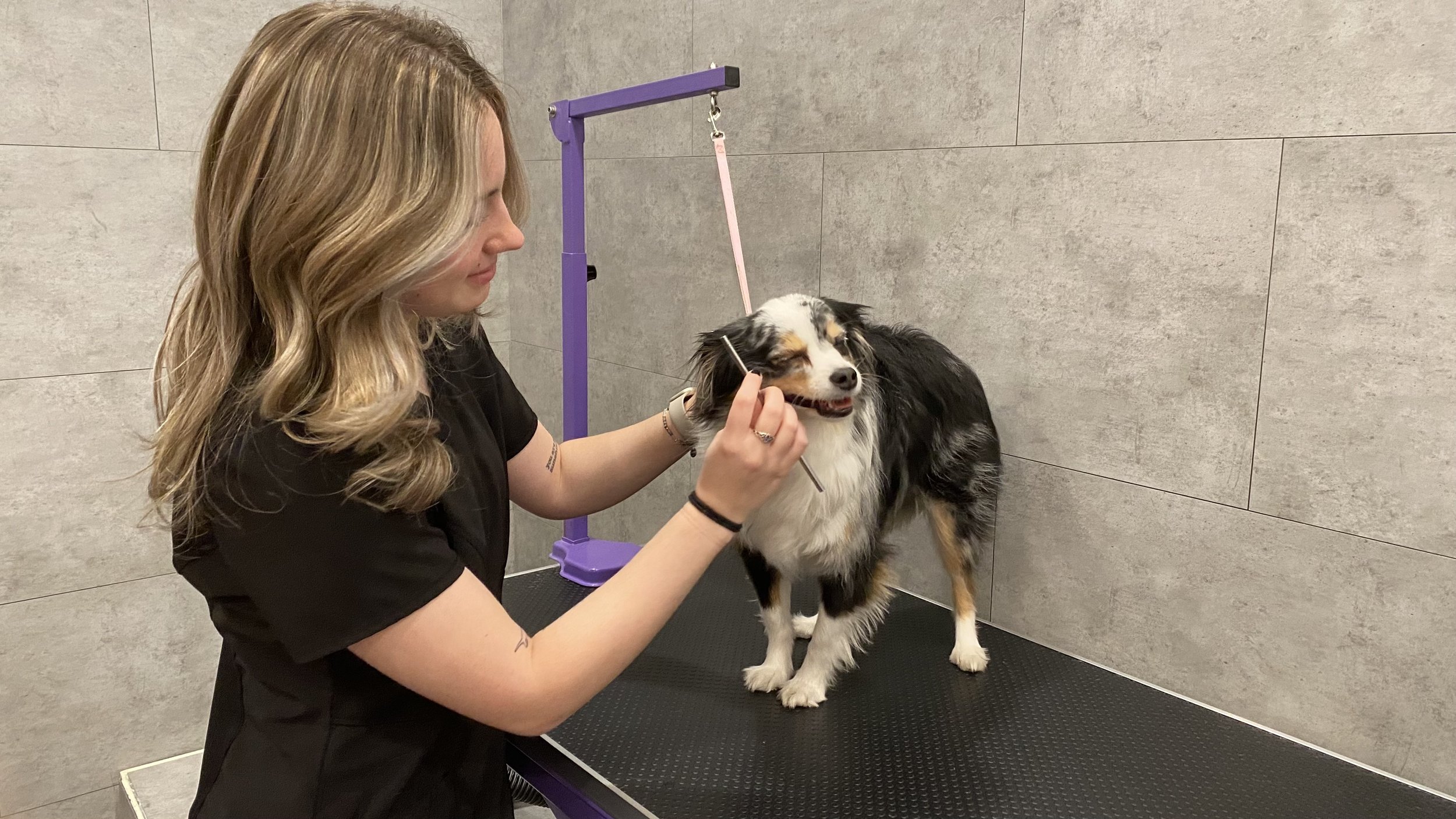
Finding the Best Dog Grooming Course Malaysia for Your Career Goals

Finding the best dog grooming course in Malaysia depends on choosing accredited schools with strong reputations and qualified instructors. Ideal programs offer hands-on training in breed-specific styles, grooming tools, hygiene, and canine behavior, helping build real-world skills dog grooming class. Consider courses that match career goals, whether basic pet grooming or professional business management. Flexible schedules and clear certification also matter. Exploring these factors further will provide deeper insights into selecting the right grooming course for career success.

What You Need to Know Before Signing Up for a Pet Grooming Course in  Malaysia - JBM Peru

What Should You Look For in a Dog Grooming Course in Malaysia?

When selecting a dog grooming course in Malaysia, prospective students should prioritize accredited programs that offer thorough hands-on training.

Practical experience is essential for mastering grooming techniques and understanding canine behavior.

Extensive curricula covering breed-specific styles Cosmos Pet Universe, hygiene, safety protocols, and equipment handling guarantee well-rounded skill development.

Flexibility in scheduling and course duration allows individuals to balance learning with personal commitments, supporting their desire for freedom.

Additionally, courses that provide opportunities for real-world practice or internships can enhance confidence and employability.

Clear certification upon completion validates the acquired expertise, facilitating career advancement or entrepreneurship.

Prospective students should also consider the reputation of the institution and the qualifications of its instructors, as these factors impact the quality of education and future success in the grooming industry.

Where Can You Find Accredited Dog Grooming Schools in Malaysia?

Among the various options available, accredited dog grooming schools in Malaysia can be found in major cities such as Kuala Lumpur, Penang, and Johor Bahru. These urban centers host institutions recognized by relevant industry bodies, ensuring standards that align with professional grooming practices.

Prospective students seeking flexibility and quality often explore schools offering both full-time and part-time courses, accommodating diverse schedules.

Additionally, some accredited programs provide online components, expanding access beyond geographical limits. Researching official accreditation listings and reading reviews helps identify reputable establishments.

Choosing a school in a metropolitan area also offers networking opportunities within Malaysia’s pet care industry. Ultimately, selecting an accredited institution in these key locations supports a foundation for a career defined by skill and independence in dog grooming.

What Skills Will You Learn in a Dog Grooming Course?

Enrolling in an accredited dog grooming course in Malaysia equips students with a thorough set of skills necessary for professional grooming. These courses cover essential techniques such as bathing, clipping, trimming, and styling various dog breeds.

Students learn to handle grooming tools safely and effectively, ensuring comfort and hygiene for the animals. Additionally, they acquire knowledge about canine anatomy, coat types, and skin conditions to tailor grooming approaches appropriately.

Courses also emphasize pet handling skills, promoting calm and stress-free experiences for dogs. Beyond technical abilities, learners develop client communication and business management skills, empowering them to build independent careers.

Mastery of these competencies offers freedom to work flexibly, whether as freelancers, salon owners, or mobile groomers, aligning with individual career aspirations.

Pet Grooming Course Malaysia Price - Movement Life

Which Dog Grooming Course Fits Your Career Goals?

Selecting the right dog grooming course in Malaysia depends largely on one’s specific career objectives and desired skill level.

For those aiming to become professional groomers, thorough programs covering advanced techniques and business skills offer a strong foundation.

Hobbyists or part-time groomers may prefer shorter, flexible courses focusing on essential grooming practices.

Some courses emphasize specialty breeds or creative grooming, ideal for those seeking niche expertise.

Additionally, certifications recognized by local pet care associations can enhance credibility and career prospects.

  • Basic grooming for pet owners and enthusiasts
  • Professional grooming with business management components
  • Specialty breed-focused grooming techniques
  • Creative and artistic grooming courses
  • Accredited certification programs for career advancement

Choosing a course aligned with personal goals guarantees freedom to shape a fulfilling career path in dog grooming.

How Can You Choose a Dog Grooming Course That Fits Your Budget and Schedule?

Frequently, prospective students must balance multiple commitments when choosing a dog grooming course, making budget and schedule key factors in their decision. Evaluating courses that offer flexible timings, such as weekend or evening classes, enables learners to maintain work or personal responsibilities.

Additionally, online or blended learning options provide greater freedom for self-paced progress. Comparing tuition fees alongside what is included—like tools, materials, and certification—helps guarantee value aligns with financial limits.

Prospective students should also consider course duration and payment plans to avoid strain. By prioritizing these practical criteria, individuals can select a program that respects both their time and financial boundaries, ultimately supporting a smooth path toward their grooming career without sacrificing lifestyle freedom.

Conclusion

Selecting the right dog grooming course in Malaysia involves considering accreditation, curriculum, and alignment with career goals. Prospective students should seek programs that offer thorough skills training while fitting their budget and schedule. Accredited schools guarantee quality education and better job prospects. Ultimately, choosing a course tailored to individual aspirations and practical needs will provide a strong foundation for a successful career in dog grooming within Malaysia’s growing pet care industry.

The Rev Interactive Builds Next-Gen LED Screen Systems