Month: May 2026

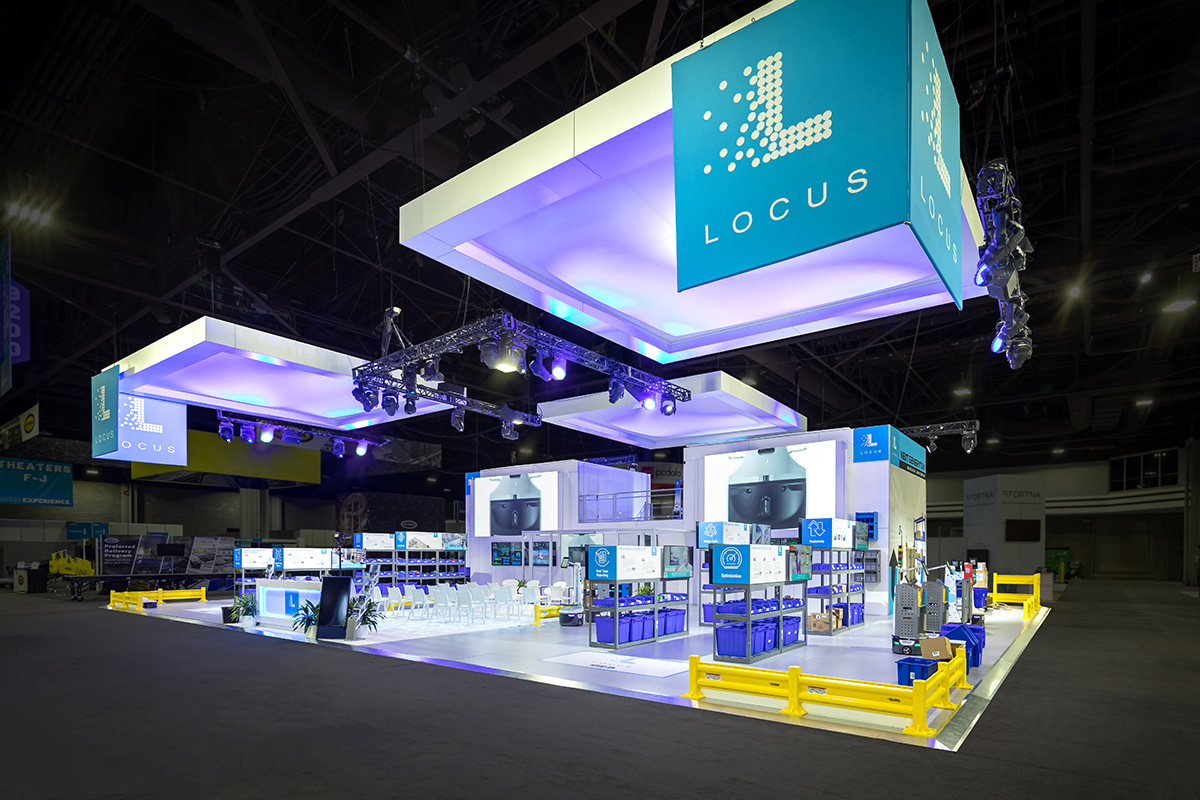
How to Choose the Best Exhibition Booth Design Malaysia Provider

Selecting the best exhibition booth design provider in Malaysia involves evaluating proven project delivery, deep local knowledge, and all-encompassing service offerings. Prioritizing providers who tailor designs to brand identity, use premium materials, and guarantee transparent pricing enhances value and ROI. Communication and market insight are essential for creating authentic brand experiences. Choosing a partner aligned with these criteria ensures impactful, durable booths that resonate with target audiences. Further guidance reveals how these factors drive event success.

Exhibition Booth Design Kuala Lumpur | Custom Booth Contractor Malaysia |  Shockwave Sdn Bhd

Key Criteria for Malaysia Exhibition Booth Providers

What distinguishes a top-tier exhibition booth provider in Malaysia? It is the ability to blend reliability, expertise, and seamless execution. Leading providers demonstrate a proven track record of delivering projects on time and within budget, ensuring clients’ freedom from logistical stress.

They possess deep knowledge of local regulations and venue requirements, enabling smooth approvals and setup. Additionally Upstage Expo, strategic providers offer all-encompassing services, including project management and technical support, minimizing client intervention.

Their commitment to quality materials and craftsmanship guarantees durability and professional presentation. Transparency in pricing and clear communication further sets them apart, fostering trust and autonomy for clients.

Ultimately, the best providers empower businesses to focus on showcasing their brand, securing a competitive edge without sacrificing control or freedom.

How Customization and Design Can Make Your Booth Stand Out

Building on the foundation of reliability and expertise, the true impact of an exhibition booth lies in its ability to attract and engage visitors through thoughtful customization and innovative design.

Tailoring the booth to reflect a brand’s unique identity enables clear differentiation in a crowded environment. Strategic layout, color schemes, and interactive elements foster visitor curiosity and facilitate meaningful connections.

Customization empowers exhibitors to align the booth with marketing goals while accommodating specific spatial requirements, enhancing operational freedom. Innovative design solutions, such as modular components and dynamic visuals, further elevate presence and adaptability.

Ultimately, providers who prioritize bespoke design unleash greater engagement potential, ensuring the booth not only draws attention but also sustains interest, maximizing return on investment through a compelling, one-of-a-kind visitor experience.

Why Material Quality Matters for Your Exhibition Booth

Selecting high-quality materials for an exhibition booth markedly influences its durability, aesthetic appeal, and overall effectiveness. The choice of materials directly impacts the booth’s ability to withstand repeated use and transport without compromising its structure or visual presence. Key considerations include:

  1. Longevity – Premium materials resist wear, ensuring the booth remains intact and attractive across multiple events.
  2. Professionalism – Quality finishes convey a strong brand image, attracting visitors and fostering trust.
  3. Flexibility – Durable components support modular designs, allowing easy updates and adaptability for future exhibitions.

Investing in superior materials empowers exhibitors to maintain freedom in design innovation while safeguarding their booth’s functional performance. This strategic decision enhances both immediate impact and long-term value, essential for sustained exhibition success.

Home - exhibitionspecialistmalaysia.com

Comparing Pricing and Value Among Malaysia Providers

How can exhibitors make certain they receive the best return on investment when choosing a booth design provider in Malaysia? The key lies in a strategic comparison of pricing against the tangible value offered.

Providers may present varied pricing models, but discerning clients prioritize transparency and inclusivity in quotes—ensuring no hidden costs.

Value extends beyond cost, encompassing design innovation, material durability, and customization flexibility that align with exhibitor goals.

Competitive pricing should never compromise quality or functionality, which directly impact engagement and brand perception.

Savvy exhibitors evaluate portfolios and client testimonials to balance affordability with effectiveness.

Ultimately, selecting a provider who delivers measurable impact within budget empowers exhibitors to maximize freedom in design choices while safeguarding their investment’s potential for success.

Choosing a Provider Who Truly Understands Your Brand

When aligning with a booth design provider in Malaysia, guaranteeing a deep understanding of the exhibitor’s brand identity is essential. A provider that truly grasps the brand’s core values and vision can translate these into a compelling and authentic booth experience.

Key considerations include:

  1. Brand Alignment: The provider should demonstrate the ability to reflect the exhibitor’s unique messaging and aesthetics consistently across all design elements.
  2. Collaborative Approach: Effective communication and openness to feedback guarantee the design evolves in harmony with the exhibitor’s expectations.
  3. Market Insight: Knowledge of the target audience and industry trends enables the creation of a booth that resonates and stands out.

Selecting a provider with these qualities empowers exhibitors to present their brand with clarity and freedom, maximizing impact at any event.

Conclusion

Selecting the right exhibition booth design provider in Malaysia requires strategic evaluation of key criteria such as customization, material quality, pricing, and brand alignment. A provider who offers innovative, tailored designs using premium materials guarantees maximum impact and durability. Comparing value beyond cost fosters smarter investment decisions. Ultimately, choosing a partner that understands and reflects the brand’s identity enhances visibility and engagement, driving success at any exhibition.

Touch Concept Review for Booth Design for Exhibition and Expo Events

A touch concept review in booth design evaluates tactile and interactive elements to enhance visitor engagement at exhibitions. It focuses on selecting materials and textures that invite hands-on exploration while aligning with brand messaging and spatial layout. This early-stage assessment identifies usability and accessibility challenges to create a welcoming, sensory-rich environment exhibition booth design. By transforming passive observation into active participation, touch elements deepen emotional connections and improve brand recall. Further insights reveal how to optimize sensory experiences and measure their impact effectively.

Best 19 Trade Show Booth Design Companies in 2026

What Is a Touch Concept Review in Booth Design

In the early stages of booth design, a Touch Concept Review serves as a critical checkpoint to evaluate the tactile and interactive elements planned for the exhibit. This process involves a focused assessment of materials, textures, and sensory features intended to invite visitor interaction. Designers analyze how these elements align with the brand’s message and the overall spatial layout, ensuring they promote seamless engagement without overwhelming the space.

The review identifies potential challenges in usability and accessibility, refining touchpoints to enhance intuitive exploration. By scrutinizing every sensory detail—from surface finishes to interactive controls—this step empowers designers to craft a booth that feels inviting and liberating https://www.touchconcept.com.my/. The Touch Concept Review ultimately lays the foundation for an exhibit that encourages free, confident visitor interaction through thoughtfully designed tactile experiences.

How Touch Elements Boost Visitor Engagement at Exhibitions

By integrating tactile elements into booth design, exhibitions transform passive observation into active participation. Visitors engage directly with textures, shapes, and interactive surfaces, creating memorable sensory experiences that deepen connection.

Touch elements invite exploration, encouraging attendees to linger longer and absorb information more fully. This hands-on interaction breaks barriers, fostering curiosity and emotional resonance beyond visual appeal alone.

Tactile engagement also enhances accessibility, appealing to diverse visitor preferences and learning styles. The freedom to physically interact empowers attendees, making experiences feel personal and immersive.

Ultimately, touch elements elevate booth presence, converting casual browsers into engaged participants, and amplifying brand recall and message retention. This strategic sensory inclusion redefines visitor interaction, prioritizing freedom of movement and discovery within the exhibition space.

Choosing Materials for the Best Tactile Experience

Selecting materials that deliver a compelling tactile experience is essential for creating booths that captivate and engage. Textures—whether smooth metals, soft fabrics, or rugged woods—invite visitors to explore with their hands, sparking curiosity and connection.

Durable yet pleasant-to-touch surfaces withstand constant interaction, maintaining appeal throughout the event. Contrasting materials can highlight key areas, guiding the hand and eye simultaneously.

Natural elements like cork or bamboo add warmth, while innovative composites signal modernity and creativity. The choice must balance aesthetic coherence with sensory impact, ensuring every touchpoint feels intentional and memorable.

Thoughtful material selection empowers visitors to experience freedom in exploration, transforming passive observation into active discovery within the booth environment.

Exhibit Concepts Named Finalist in Portable/Modular Awards - Exhibit  Concepts Inc.

Interactive Features for Hands-On Engagement

Incorporating interactive features transforms a booth from a static display into an engaging playground that invites active participation. Touchscreens, tactile walls, and modular elements empower visitors to explore products dynamically, fostering a sense of control and discovery.

Sensory stations combining texture, motion, and sound create immersive environments where attendees freely experiment, deepening connection through multisensory feedback. Gesture-based interfaces and augmented reality layers blur boundaries between physical and digital, amplifying engagement without restrictions.

By prioritizing hands-on interaction, booths become memorable spaces that celebrate curiosity and spontaneity. This approach respects the audience’s desire for autonomy, encouraging exploration on their own terms while reinforcing brand identity through personalized, tangible experiences.

Ultimately, interactive features redefine event spaces as lively ecosystems of touch and freedom, inviting visitors to fully inhabit the moment.

Measuring Touch’s Impact on Brand Recall and Satisfaction

Engagement through touch-driven interactions offers more than momentary interest; it shapes lasting impressions that influence brand recall and satisfaction. Measuring this impact provides valuable insights for optimizing booth designs and enhancing visitor experience. Brands can quantify touch’s effectiveness by analyzing behavioral and emotional responses linked to tactile engagement.

Key measurement approaches include:

  • Tracking repeat visitor interactions with tactile elements
  • Conducting post-event surveys focused on sensory memory
  • Monitoring social media mentions tied to touch experiences
  • Using biometric feedback to gauge emotional connection

These metrics reveal how tactile engagement fosters deeper brand connections, encouraging freedom in exploration and personal discovery. By evaluating touch’s role in memory retention and satisfaction, exhibitors can refine strategies to create more immersive, memorable environments that stand out in competitive exhibition landscapes.

Conclusion

Incorporating touch concepts in booth design transforms passive displays into immersive experiences, enthralling visitors through tactile interaction. Thoughtful material selection and interactive features heighten engagement, making brands memorable beyond visuals. This multisensory approach not only elevates visitor satisfaction but also strengthens brand recall, proving indispensable in competitive exhibition environments. Ultimately, a well-executed touch concept creates meaningful connections, turning fleeting encounters into lasting impressions that drive business success.

Are Rat Repellents Worth It? iGreenAsia Explains

iGreenAsia finds that rat repellents can briefly reduce local activity but rarely solve established infestations. Controlled studies show short-term behavioral changes; field tests reveal limited durability and displacement when food and shelter remain. Ultrasonic and many sprays typically lose effect as rodents adapt. Odor and taste products may deter at treated spots but require frequent reapplication rat repellent spray. Physical exclusion and sanitation are more reliable. The article outlines when repellents are reasonable to try and how to proceed for best results.

The Dangers of Rats: Why Using Rat Repellent is Important

Do Rat Repellents Actually Work? Quick, Evidence-Based Verdict

Most rat repellents show limited, short-term effects in controlled studies: ultrasonic devices and many sprays rarely produce lasting population reductions, while scented repellents can temporarily deter activity at treated spots but do not address food, shelter, or entry points.

The evidence-based verdict is pragmatic: repellents can shift behavior locally through behavioral conditioning but do not eliminate infestations.

Performance varies with product quality https://igreenasia.com/, application consistency, and seasonal variation in rat behavior and resource availability.

For people prioritizing autonomy, repellents serve as a limited tool within a broader strategy—use them to protect specific areas, monitor results, and avoid reliance on single solutions.

Long-term control requires habitat modification, exclusion, sanitation, and targeted population reduction measures.

How Each Repellent Type Is Supposed to Work (Ultrasonic, Odor, Taste, Physical)

When grouped by mechanism, rat repellents fall into four categories—ultrasonic, odor-based, taste-based, and physical—that aim to alter behavior or create barriers rather than directly kill rodents. Each type targets different senses: ultrasonic devices broadcast high-frequency sound to induce avoidance; odor repellents use predator or chemical cues for behavioral conditioning; taste treatments make materials unpalatable to deter chewing; physical methods block access with barriers or traps. Practical choice weighs sensory adaptation, product longevity, and environmental impact. Users seeking autonomy prefer approaches that are nonlethal, low-maintenance, and reversible. The following table sketches mechanisms, targets, expected duration, and typical trade-offs.

Type Target Trade-off
Ultrasonic Hearing Sensory adaptation
Odor Smell Environmental impact
Taste Taste Product longevity
Physical Access Reliability

What Lab Studies and Real-World Tests Say About Effectiveness

How well do repellents perform under controlled conditions versus everyday use? Lab studies often show short-term effects: odor or ultrasonic devices can alter rodent behavior in standardized arenas, reducing activity or bait uptake briefly. Controlled trials follow regulatory standards for repeatability, dosing, and observation periods, producing clear but limited outcomes.

Field tests tell a different story; complex environments, alternative food sources, and learned habituation reduce efficacy over weeks. Independent real-world trials emphasize integrated approaches—sealing entry points, sanitation, and targeted traps—alongside repellents if desired.

Claims from manufacturers sometimes outpace public data. Practical readers who value autonomy should weigh controlled evidence against local field results, prioritizing measures that produce durable reduction rather than transient displacement.

67 Music - Scientists Turned Water Into Metal

Cost, Risks, and When Repellents Are Worth Trying vs. Skipping

Evidence from labs and field trials frames the cost-benefit calculation for repellents: upfront purchase and replacement costs, potential for limited effectiveness over time, and risks to non-target pets or indoor air quality must be weighed against the likelihood of durable rodent control.

A sober cost analysis compares device price, ongoing supply needs, and probable lifespan against expected reduction in damage or baiting costs. Health risks documented in trials—respiratory irritation from aerosols, ingestion hazards for curious pets—factor into decisions where occupants value autonomy and safety.

Repellents are worth trying when infestations are small, access to exclusion is limited, and users accept monitoring and replacement. They should be skipped when populations are established or when vulnerable individuals or animals share the space.

Practical Action Plan: Safe Testing, Exclusion, and When to Call Pros

In evaluating repellents and complementary controls, practitioners should start with a brief, structured test: deploy one method in a confined area for two weeks while recording activity signs, then compare against an untreated control zone to gauge effect size and non-target impacts.

The plan prioritizes safe testing and documents bait, sonic, or scent interventions with photos, drop counts, and timestamps.

Concurrently implement basic exclusion methods: seal ¼–½ inch gaps, install door sweeps, and protect vents with mesh.

Interpret results quantitatively; discontinue ineffective tactics.

Escalate to professional pest management when infestations persist, when structural entry points are extensive, or when human/animal safety is at risk.

Professionals offer diagnostics, humane trapping or exclusion, and legal-use pesticide options otherwise unavailable to the independent practitioner.

Conclusion

Rat repellents offer limited, situational benefits. Evidence shows ultrasonic and many odor/taste products give short-term or inconsistent reduction in activity, while physical barriers and traps provide reliable control. Costs, toxicity risks, and habituation reduce repellents’ value for serious infestations. For minor, temporary problems they can be trialed alongside sanitation and exclusion; for persistent or health-threatening infestations, professionals and structural exclusion are the evidence-based choices. Use repellents only as a supplemental, monitored measure.

Foot Pain After Exercise: What Your Body Is Trying to Tell You

Foot pain after exercise often reflects normal post-workout tissue stress: mild, diffuse soreness that improves with rest, elevation and icing over 48–72 hours and permits normal mobility. However, sharp focal pain, worsening symptoms, swelling that limits motion chiropodist vs podiatrist, numbness, fever, inability to bear weight or sudden pain after a twist or pop suggest injury or infection and merit assessment. Causes vary by location from metatarsalgia and stress fracture to tendinopathy and nerve entrapment, with clear steps for relief and prevention explained further.

Burning Feet After Exercise: What Your Nerves Are Trying to Tell You -  Neuropathy Relief Pain Miami

How to Tell Normal Post-Exercise Soreness From Warning Signs?

How can one distinguish routine post-exercise foot soreness from signs that warrant concern? The clinician notes that normal soreness typically presents as mild, diffuse ache that improves with rest, cooling, elevation, and diminishes within 48–72 hours. It permits normal mobility and does not progress rapidly.

Red flags include intense or worsening pain, sharp focal tenderness, swelling that limits movement, persistent numbness or tingling, inability to bear weight https://peoplepodiatry.com.au/, fever, or skin changes such as redness and warmth suggesting infection or deep venous compromise. Sudden onset after a specific twist or pop warrants urgent evaluation for rupture or fracture.

The reader who values autonomy is encouraged to monitor symptom trajectory, apply conservative self-care initially, and seek timely professional assessment when red flags appear.

Common Causes of Foot Pain After Exercise (By Location and Mechanism)

In examining post-exercise foot pain by location and mechanism, clinicians categorize etiologies according to anatomical region (forefoot, midfoot, hindfoot, heel) and underlying processes such as overuse, biomechanical overload, acute trauma, inflammatory or neuropathic change, and vascular compromise.

Forefoot complaints often reflect metatarsalgia causes: repetitive loading, Morton’s neuroma, or stress fractures.

Midfoot pain arises from ligamentous strain, tendinopathy, or subtle instability after overload.

Hindfoot presentations include Achilles tendinopathy and retrocalcaneal bursitis from eccentric loading.

Heel pain commonly denotes plantar fasciitis or calcaneal stress injury related to abrupt mileage increases or poor mechanics.

Neuropathic patterns produce burning or numbness, vascular issues provoke exertional ischemia.

Accurate localization and mechanism-based assessment enable targeted management while respecting the individual’s desire for mobility and autonomy.

Immediate Relief You Can Try at Home After a Workout

Having identified likely anatomical sites and mechanisms for post-exercise foot pain, immediate self-care measures can reduce symptoms and prevent worsening while awaiting professional evaluation.

The individual should begin with elevation rest: lie supine and raise the foot above heart level for 15–20 minutes to decrease swelling and improve comfort.

Apply ice massage over focal tender areas for 8–10 minutes, using controlled pressure to avoid skin injury; repeat every 2–3 hours as needed.

A compression wrap can be applied snugly, not occlusive, to support tissues and limit edema during ambulation.

For generalized soreness, consider contrast baths—alternating 60 seconds cold, 60 seconds warm for 6–8 cycles—to stimulate circulation.

Monitor pain and skin response; discontinue if symptoms worsen.

On Your Feet All Day? How to Prep Your Body Before and After Work |  Orthopedics and Pain Medicine Physician located in Edison, Clifton, Hazlet,  Jersey City and West Orange, NJ |

When to See a Pro: Tests, Diagnoses, and Treatment Options

For persistent, severe, or function-limiting foot pain after exercise, clinical assessment is recommended to identify underlying pathology and guide targeted treatment.

The clinician documents history, performs focused examination, and orders appropriate imaging options—plain radiographs for bony injury, ultrasound for soft-tissue evaluation, and MRI for complex or occult pathology.

Laboratory tests are reserved for suspected inflammatory or infectious processes.

Diagnosis differentiates overuse syndromes, stress fractures, tendonopathy, nerve entrapment, and systemic causes.

Initial management favors activity modification, orthotic prescription, guided injections, and structured rehabilitation.

When conservative measures fail or when structural lesions threaten function, surgical referrals are considered; discussion covers risks, expected outcomes, and recovery timelines.

Follow-up emphasizes functional goals and a shared decision-making approach respecting individual autonomy.

How to Prevent Foot Pain: Shoes, Training Tweaks, and Strengthening Routines

With attention to footwear, training variables, and targeted strengthening, many exercise-related foot injuries can be prevented or minimized. The practitioner encourages selection of shoes that match activity, foot shape, and support needs; consider a graduated shift if experimenting with minimalist footwear to avoid sudden load increase.

Training tweaks include gradual mileage or intensity progressions, cross-training to redistribute stress, and scheduled recovery to permit tissue adaptation.

Strengthening routines should target intrinsic foot muscles, ankle stabilizers, and calf-Achilles complex using resisted toe curls, short-foot exercises, heel raises, and controlled single-leg balance work. Incorporating barefoot drills on safe surfaces can enhance proprioception and motor control.

Regular reassessment of symptoms, gait, and footwear guarantees autonomy and sustained participation without undue pain.

Conclusion

To summarize, post-exercise foot pain ranges from expected, transient soreness to signs of injury requiring assessment. Recognition of location, timing, and severity guides self-care versus professional evaluation. Immediate measures—rest, ice, compression, elevation, and appropriate footwear—often relieve benign symptoms, while persistent, worsening, or function-limiting pain warrants clinical examination, imaging, and targeted therapy. Preventive strategies including proper shoes, graded training progression, and specific strengthening reduce recurrence and support long-term foot health.