A touch concept review in booth design evaluates tactile and interactive elements to enhance visitor engagement at exhibitions. It focuses on selecting materials and textures that invite hands-on exploration while aligning with brand messaging and spatial layout. This early-stage assessment identifies usability and accessibility challenges to create a welcoming, sensory-rich environment exhibition booth design. By transforming passive observation into active participation, touch elements deepen emotional connections and improve brand recall. Further insights reveal how to optimize sensory experiences and measure their impact effectively.
/filters:format(.webp)/fit-in/2048x0/blog/images/Condit2.jpg)
What Is a Touch Concept Review in Booth Design
In the early stages of booth design, a Touch Concept Review serves as a critical checkpoint to evaluate the tactile and interactive elements planned for the exhibit. This process involves a focused assessment of materials, textures, and sensory features intended to invite visitor interaction. Designers analyze how these elements align with the brand’s message and the overall spatial layout, ensuring they promote seamless engagement without overwhelming the space.
The review identifies potential challenges in usability and accessibility, refining touchpoints to enhance intuitive exploration. By scrutinizing every sensory detail—from surface finishes to interactive controls—this step empowers designers to craft a booth that feels inviting and liberating https://www.touchconcept.com.my/. The Touch Concept Review ultimately lays the foundation for an exhibit that encourages free, confident visitor interaction through thoughtfully designed tactile experiences.
How Touch Elements Boost Visitor Engagement at Exhibitions
By integrating tactile elements into booth design, exhibitions transform passive observation into active participation. Visitors engage directly with textures, shapes, and interactive surfaces, creating memorable sensory experiences that deepen connection.
Touch elements invite exploration, encouraging attendees to linger longer and absorb information more fully. This hands-on interaction breaks barriers, fostering curiosity and emotional resonance beyond visual appeal alone.
Tactile engagement also enhances accessibility, appealing to diverse visitor preferences and learning styles. The freedom to physically interact empowers attendees, making experiences feel personal and immersive.
Ultimately, touch elements elevate booth presence, converting casual browsers into engaged participants, and amplifying brand recall and message retention. This strategic sensory inclusion redefines visitor interaction, prioritizing freedom of movement and discovery within the exhibition space.
Choosing Materials for the Best Tactile Experience
Selecting materials that deliver a compelling tactile experience is essential for creating booths that captivate and engage. Textures—whether smooth metals, soft fabrics, or rugged woods—invite visitors to explore with their hands, sparking curiosity and connection.
Durable yet pleasant-to-touch surfaces withstand constant interaction, maintaining appeal throughout the event. Contrasting materials can highlight key areas, guiding the hand and eye simultaneously.
Natural elements like cork or bamboo add warmth, while innovative composites signal modernity and creativity. The choice must balance aesthetic coherence with sensory impact, ensuring every touchpoint feels intentional and memorable.
Thoughtful material selection empowers visitors to experience freedom in exploration, transforming passive observation into active discovery within the booth environment.
Interactive Features for Hands-On Engagement
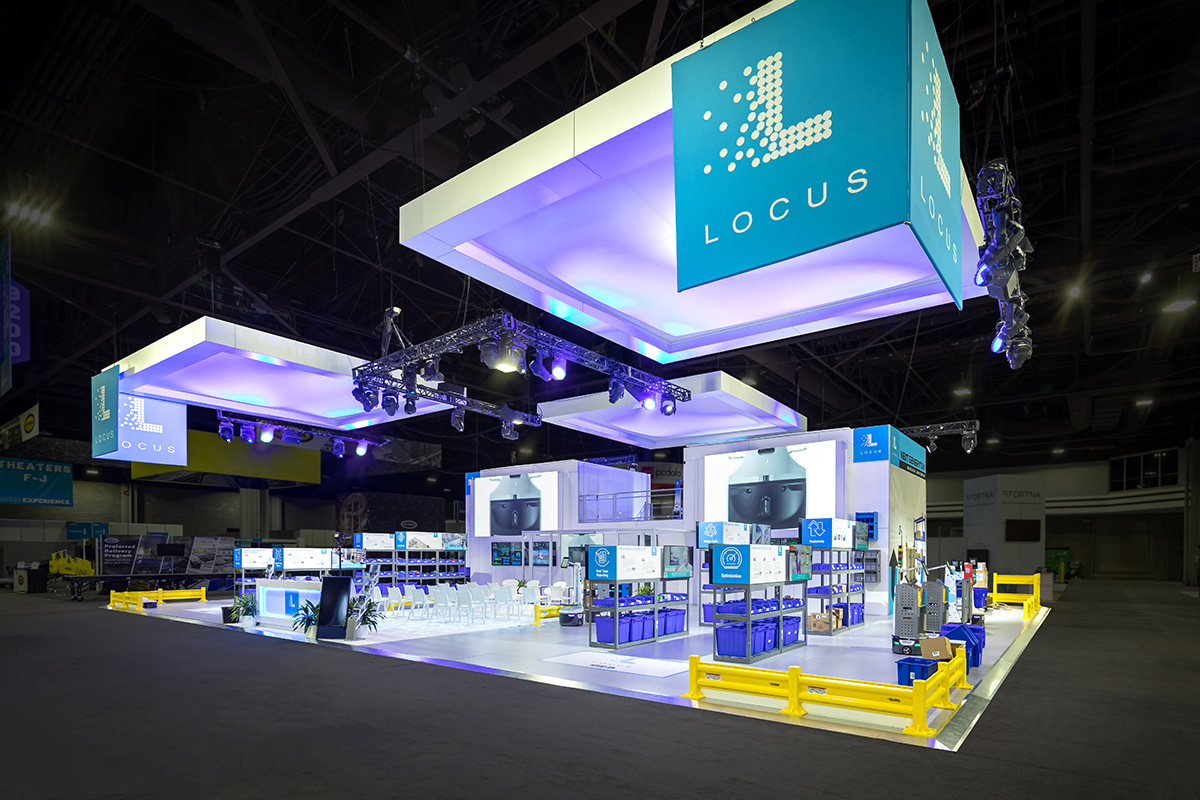
Incorporating interactive features transforms a booth from a static display into an engaging playground that invites active participation. Touchscreens, tactile walls, and modular elements empower visitors to explore products dynamically, fostering a sense of control and discovery.
Sensory stations combining texture, motion, and sound create immersive environments where attendees freely experiment, deepening connection through multisensory feedback. Gesture-based interfaces and augmented reality layers blur boundaries between physical and digital, amplifying engagement without restrictions.
By prioritizing hands-on interaction, booths become memorable spaces that celebrate curiosity and spontaneity. This approach respects the audience’s desire for autonomy, encouraging exploration on their own terms while reinforcing brand identity through personalized, tangible experiences.
Ultimately, interactive features redefine event spaces as lively ecosystems of touch and freedom, inviting visitors to fully inhabit the moment.
Measuring Touch’s Impact on Brand Recall and Satisfaction
Engagement through touch-driven interactions offers more than momentary interest; it shapes lasting impressions that influence brand recall and satisfaction. Measuring this impact provides valuable insights for optimizing booth designs and enhancing visitor experience. Brands can quantify touch’s effectiveness by analyzing behavioral and emotional responses linked to tactile engagement.
Key measurement approaches include:
- Tracking repeat visitor interactions with tactile elements
- Conducting post-event surveys focused on sensory memory
- Monitoring social media mentions tied to touch experiences
- Using biometric feedback to gauge emotional connection
These metrics reveal how tactile engagement fosters deeper brand connections, encouraging freedom in exploration and personal discovery. By evaluating touch’s role in memory retention and satisfaction, exhibitors can refine strategies to create more immersive, memorable environments that stand out in competitive exhibition landscapes.
Conclusion
Incorporating touch concepts in booth design transforms passive displays into immersive experiences, enthralling visitors through tactile interaction. Thoughtful material selection and interactive features heighten engagement, making brands memorable beyond visuals. This multisensory approach not only elevates visitor satisfaction but also strengthens brand recall, proving indispensable in competitive exhibition environments. Ultimately, a well-executed touch concept creates meaningful connections, turning fleeting encounters into lasting impressions that drive business success.
…





/assets/images/provider/photos/2828594.png)