

Foot pain after exercise often reflects normal post-workout tissue stress: mild, diffuse soreness that improves with rest, elevation and icing over 48–72 hours and permits normal mobility. However, sharp focal pain, worsening symptoms, swelling that limits motion chiropodist vs podiatrist, numbness, fever, inability to bear weight or sudden pain after a twist or pop suggest injury or infection and merit assessment. Causes vary by location from metatarsalgia and stress fracture to tendinopathy and nerve entrapment, with clear steps for relief and prevention explained further.
How to Tell Normal Post-Exercise Soreness From Warning Signs?
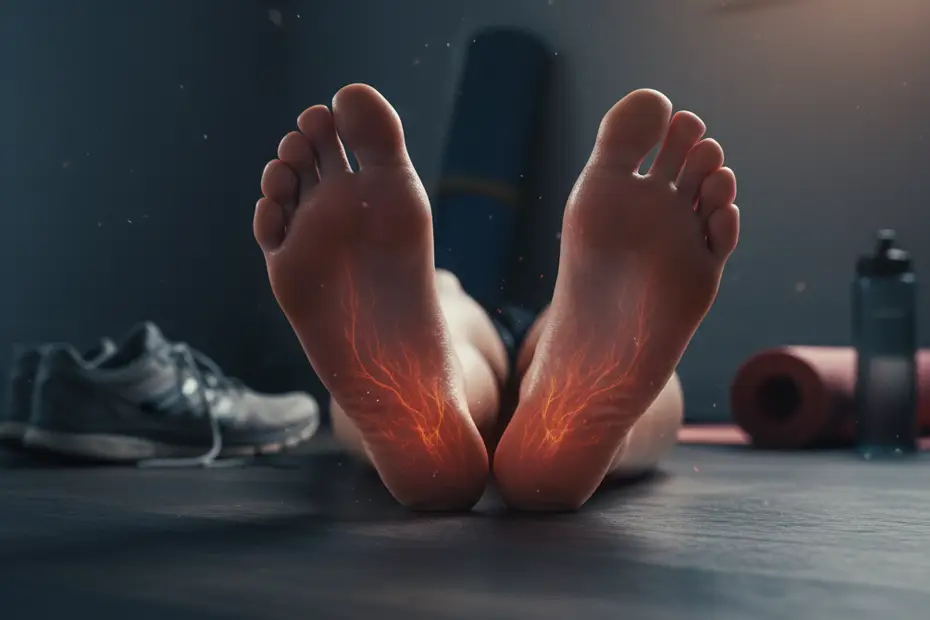
How can one distinguish routine post-exercise foot soreness from signs that warrant concern? The clinician notes that normal soreness typically presents as mild, diffuse ache that improves with rest, cooling, elevation, and diminishes within 48–72 hours. It permits normal mobility and does not progress rapidly.
Red flags include intense or worsening pain, sharp focal tenderness, swelling that limits movement, persistent numbness or tingling, inability to bear weight https://peoplepodiatry.com.au/, fever, or skin changes such as redness and warmth suggesting infection or deep venous compromise. Sudden onset after a specific twist or pop warrants urgent evaluation for rupture or fracture.
The reader who values autonomy is encouraged to monitor symptom trajectory, apply conservative self-care initially, and seek timely professional assessment when red flags appear.
Common Causes of Foot Pain After Exercise (By Location and Mechanism)
In examining post-exercise foot pain by location and mechanism, clinicians categorize etiologies according to anatomical region (forefoot, midfoot, hindfoot, heel) and underlying processes such as overuse, biomechanical overload, acute trauma, inflammatory or neuropathic change, and vascular compromise.
Forefoot complaints often reflect metatarsalgia causes: repetitive loading, Morton’s neuroma, or stress fractures.
Midfoot pain arises from ligamentous strain, tendinopathy, or subtle instability after overload.
Hindfoot presentations include Achilles tendinopathy and retrocalcaneal bursitis from eccentric loading.
Heel pain commonly denotes plantar fasciitis or calcaneal stress injury related to abrupt mileage increases or poor mechanics.
Neuropathic patterns produce burning or numbness, vascular issues provoke exertional ischemia.
Accurate localization and mechanism-based assessment enable targeted management while respecting the individual’s desire for mobility and autonomy.
Immediate Relief You Can Try at Home After a Workout
Having identified likely anatomical sites and mechanisms for post-exercise foot pain, immediate self-care measures can reduce symptoms and prevent worsening while awaiting professional evaluation.
The individual should begin with elevation rest: lie supine and raise the foot above heart level for 15–20 minutes to decrease swelling and improve comfort.
Apply ice massage over focal tender areas for 8–10 minutes, using controlled pressure to avoid skin injury; repeat every 2–3 hours as needed.
A compression wrap can be applied snugly, not occlusive, to support tissues and limit edema during ambulation.
For generalized soreness, consider contrast baths—alternating 60 seconds cold, 60 seconds warm for 6–8 cycles—to stimulate circulation.
Monitor pain and skin response; discontinue if symptoms worsen.

When to See a Pro: Tests, Diagnoses, and Treatment Options
For persistent, severe, or function-limiting foot pain after exercise, clinical assessment is recommended to identify underlying pathology and guide targeted treatment.
The clinician documents history, performs focused examination, and orders appropriate imaging options—plain radiographs for bony injury, ultrasound for soft-tissue evaluation, and MRI for complex or occult pathology.
Laboratory tests are reserved for suspected inflammatory or infectious processes.
Diagnosis differentiates overuse syndromes, stress fractures, tendonopathy, nerve entrapment, and systemic causes.
Initial management favors activity modification, orthotic prescription, guided injections, and structured rehabilitation.
When conservative measures fail or when structural lesions threaten function, surgical referrals are considered; discussion covers risks, expected outcomes, and recovery timelines.
Follow-up emphasizes functional goals and a shared decision-making approach respecting individual autonomy.
How to Prevent Foot Pain: Shoes, Training Tweaks, and Strengthening Routines
With attention to footwear, training variables, and targeted strengthening, many exercise-related foot injuries can be prevented or minimized. The practitioner encourages selection of shoes that match activity, foot shape, and support needs; consider a graduated shift if experimenting with minimalist footwear to avoid sudden load increase.
Training tweaks include gradual mileage or intensity progressions, cross-training to redistribute stress, and scheduled recovery to permit tissue adaptation.
Strengthening routines should target intrinsic foot muscles, ankle stabilizers, and calf-Achilles complex using resisted toe curls, short-foot exercises, heel raises, and controlled single-leg balance work. Incorporating barefoot drills on safe surfaces can enhance proprioception and motor control.
Regular reassessment of symptoms, gait, and footwear guarantees autonomy and sustained participation without undue pain.
Conclusion
To summarize, post-exercise foot pain ranges from expected, transient soreness to signs of injury requiring assessment. Recognition of location, timing, and severity guides self-care versus professional evaluation. Immediate measures—rest, ice, compression, elevation, and appropriate footwear—often relieve benign symptoms, while persistent, worsening, or function-limiting pain warrants clinical examination, imaging, and targeted therapy. Preventive strategies including proper shoes, graded training progression, and specific strengthening reduce recurrence and support long-term foot health.


